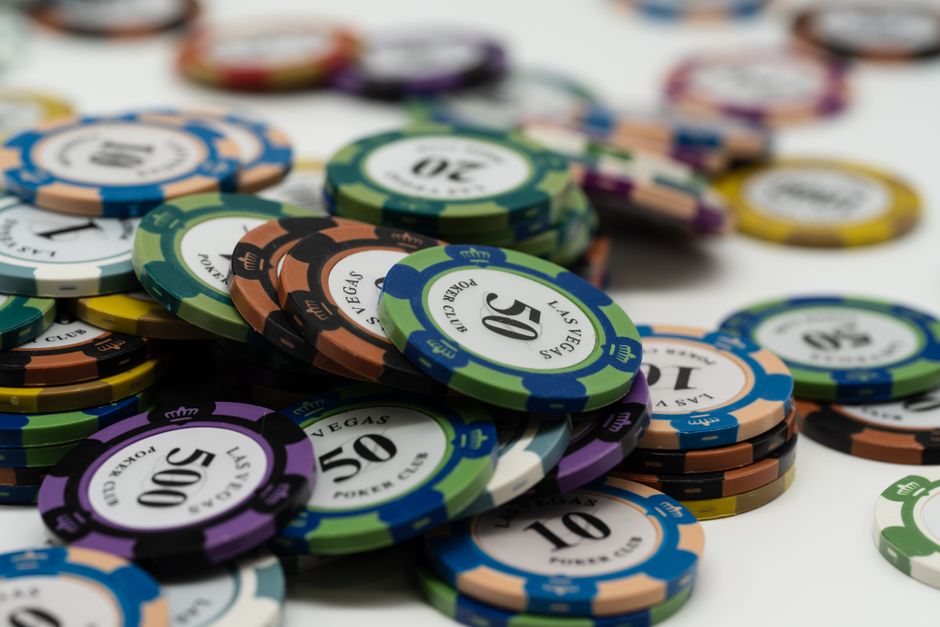


Here is the number nobody wants to talk about: the global online gambling market is creeping past $100 billion, and yet most players still lose money on autopilot. That gap between what iGaming promises and what actually lands in your account is the only subject worth writing about. Strip away the neon banners and the influencer streams, and you are left with a simple question: how do you get a fair shake and a bit of entertainment without becoming the product? Let's work through it properly, from slot math to poker table reads, plus the betting habits that separate people who enjoy this hobby from people who regret it.
Modern video slots are not random in the way people think. They run on certified random number generators, but each game is tuned with a specific volatility profile and return-to-player percentage. A game with 96.5% RTP hands back $96.50 for every $100 wagered across millions of spins. That sounds generous until you realize the variance can drain a bankroll long before the average catches up. That is why volatility matters more than RTP for most sessions.
Here is a concrete example. Two slots both advertise 96% RTP. Slot A pays out in 200,000 smaller wins per million spins. Slot B pays out in 20,000 wins, some of which are enormous. If you deposit $100 and bet $1 per spin, Slot A might last you 90 minutes. Slot B might wipe you in 15 minutes or hand you $400 on spin 40. Neither is better; they suit different temperaments. The mistake is playing Slot B on a Slot A bankroll.
Feature buys are seductive. One click, and you drop straight into the free spins round. The problem is the math behind them. A 100x buy is not a shortcut; it is a paid shortcut to the exact same probability distribution, minus the RTP. Some studios price buys slightly worse than spinning naturally. Before you buy, check the buy price against the average feature payout listed in the help file. If the average bonus pays 80x on a 100x buy, you are handing over 20% to the house on every transaction.
Poker is the only game in this article where a patient, thinking player can genuinely beat the rake over time. That is not marketing. It is a fact proved by tens of thousands of tracked hands. But the game has changed. Solvers and shared hand histories mean the average low-stakes opponent now understands bet sizing and range versus range thinking far better than a decade ago. Anyone weighing up options should see B52CLUB.
If you are getting started or returning, here is what still works. Tighten up in early position. Open wider on the button. Stop calling three-bets out of position with hands like K-J offsuit just because they look pretty. Track every hand in a database like PokerTracker or HoldemManager. Review your five biggest losses each week. A player who reviews beats a player who grinds far more often.
Live reads matter less online, but timing tells persist. A snap-call on a wet board usually means a draw or a made hand, rarely a bluff. A long tank before a river jam tends to mean genuine indecision, often with a medium-strength hand. Combine those cues with betting patterns, not instead of them.
The betting markets are not a lottery. They are a priced marketplace, and each line carries an implied probability. When you see -150 on a favorite, the bookmaker is saying it wins 60% of the time. If your own analysis says 68%, that is a value bet. Everything else is noise.
A useful trick is to line-shop in real time on injury news. When a starting quarterback is ruled out, public money floods one side while the sharp side often sits still. That brief window, sometimes minutes, is where professional bettors earn a large chunk of their annual income.
iGaming is entertainment with a built-in cost. Treat it like a night out, not an investment. Set deposit limits at the account level, not in your head. Use time-out features when you feel irritated rather than amused. The players who last are the ones who treat this as a hobby with a price tag, not a source of income. If you are gambling to fix a financial problem, you have already lost the only bet that counts.
The difference between a player and a mark has nothing to do with luck and everything to do with information. Know the volatility of what you spin, study the math behind poker and betting markets, and never let a bonus wheel dictate your evening. Do those three things and iGaming becomes exactly what it should be a thrilling, occasionally profitable, genuinely fun hobby. Do none of them and you are just another number in that $100 billion figure, funding somebody else's good night.

Garret Ridge shares practical, down-to-earth guidance on loft conversions and attic renovations for readers across the UK.


Leave A Comment