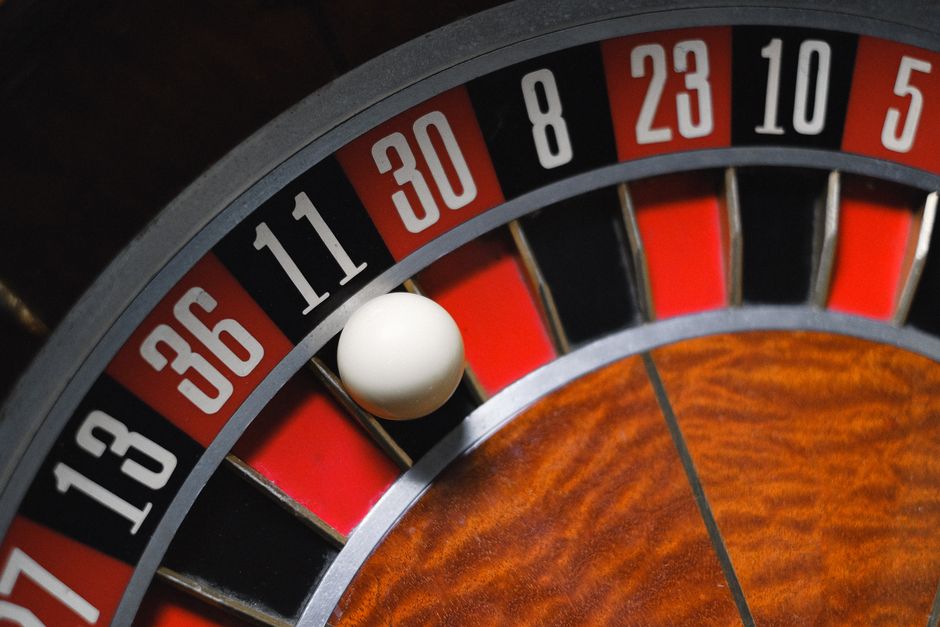


Walk through any casino floor and you'll see them: the slots players parked in front of the biggest progressive machines, eyes locked on a number that hasn't moved in weeks. They're not playing a game anymore. They're playing a lottery ticket with extra steps. And the math behind that decision is brutal — but almost nobody talks about it honestly.
This isn't a sermon about gambling being bad. Most people reading this already understand the risks and have made their peace with them. What we're going to do instead is look at how the sharpest players in iGaming actually behave, because the gap between a casual player and a disciplined one isn't luck. It's methodology.
Progressive jackpots are engineered to be seductive. A million-dollar number hanging over a bank of machines creates the illusion of an imminent payout, even though the odds of hitting it on any given spin are often somewhere between 1 in 10 million and 1 in 50 million.
Here's the part the flashing lights don't tell you. Many progressive slots have a lower base return-to-player (RTP) than the same game without the jackpot attached. A standard slot might run at 96%. The progressive version of that same game frequently drops to 92% or lower because the casino is feeding a percentage into the prize pool. You're not getting a bonus for playing. You're paying an extra tax for the privilege of a fantasy.
Does that mean jackpots are always a bad bet? Not quite. When a progressive climbs unusually high — think a Mega Moolah variant sitting at several times its average payout — the expected value can theoretically flip in the player's favor. But you need to know the reset value, the average hit point, and the actual odds to calculate that. Almost nobody does. They just see a big number and pull.
The players who treat slots as a long-term hobby rather than a lottery do three things consistently.
None of that guarantees a win. Nothing does. But it shifts the situation from random button-mashing into something closer to a controlled entertainment expense.
If you want the best expected value in iGaming as a player, poker is the answer — specifically, cash games and sit-and-gos against weaker opponents. Unlike slots, you're not playing against a house edge. You're playing against other people, and the rake is the only built-in cost. It is also worth checking king 88 before deciding.
Here's where most new poker players go wrong: they jump into tournaments because that's what they see on TV. Tournaments have massive variance and long dry spells, even for great players. Cash games are where you can grind out small, repeatable edges.
Poker is the one vertical where a disciplined player can genuinely be profitable over six months or a year. Slots and most casino table games don't offer that, no matter how good you are.
Recreational bettors love parlays because the payouts look enormous. A five-leg parlay on a $10 stake can return hundreds. But the compounding house edge on parlays is savage — every leg multiplies the vig. A book that takes 5% per leg effectively takes closer to 25% on a five-team ticket.
Want a more honest structure? Straight bets and totals. The vig is transparent, the math is simple, and you can actually find soft lines in less popular leagues — lower-tier soccer, college basketball mid-majors, niche sports. Sharp bettors live in those markets precisely because the mainstream leagues are priced almost perfectly.
Ask yourself one question before any bet: do I know something the market doesn't? If the answer is no, you're just buying entertainment. That's fine — call it what it is.
You can play the sharpest strategy in the world and still go broke if you size your bets like an amateur. Bankroll management is boring, unglamorous, and the single most important habit in iGaming.
The players who last years in this space aren't the ones who hit a jackpot. They're the ones who never let a bad month wipe them out.
iGaming is entertainment with a cost built in. The moment you understand that the house edge is the price of admission, everything downstream gets clearer — which games make sense, which promos are actually worth chasing, and which "can't-miss" strategy is just a repackaged way to lose faster.
So the next time you see a progressive jackpot climb past its average hit point, or a friend brags about a 12-leg parlay, or a new game promises 98% RTP for a week, you'll know what to do. Read the fine print. Do the quick math. And size your bets like someone who plans to be playing this time next year.
That's not restraint. That's just being better at it than the person next to you on the floor.

Garret Ridge shares practical, down-to-earth guidance on loft conversions and attic renovations for readers across the UK.


Leave A Comment